Is Tea the New Gold? Here’s Why I Think So

If I told you that Indian tea brands are quietly building 100–200+ crore businesses selling tea leaves, would you still think tea is just tea?
Most people won’t.
Because in our minds, tea is ordinary. A daily routine. A low-margin commodity. Something that belongs in kitchens, not in a Startups feature or a serious Business case study.
But that assumption is exactly why this opportunity exists.
While everyone is busy analyzing Crypto Reports, tracking blockchain disruption, studying fintech innovation, or watching tech valuations and stocks move daily, a completely different category has been compounding silently.
Tea.
Not mass-market chai.
Premium, positioned, globally distributed tea.
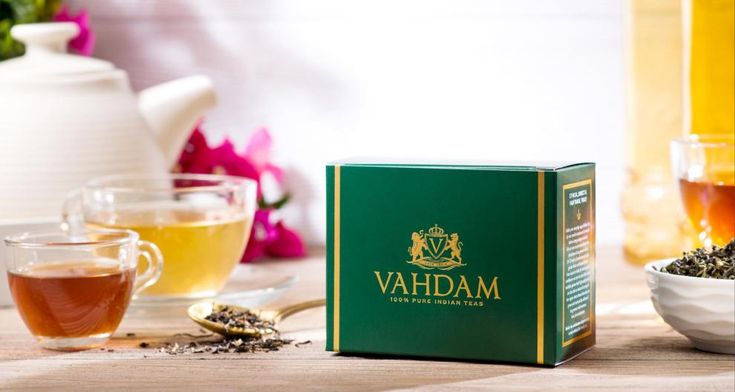
Let’s start with Vahdam India.
At first glance, it’s just another consumer brand. But structurally, it behaves more like a modern tech startup than a traditional FMCG company. From day one, the strategy was export-first. Instead of fighting in India’s price-sensitive retail ecosystem, the company targeted global consumers willing to pay a premium for high-quality Indian tea.
The numbers are not small.
Over 200 crore in annual revenue. More than $25 million raised. Presence in 100+ countries.
That’s not a side hustle. That’s serious Funding Insights territory.
But here’s what makes it interesting.
They didn’t try to win by being cheaper. They won by being better positioned. Premium packaging. Strong storytelling. Ethical sourcing. Direct-to-consumer distribution. Heavy reliance on Amazon initially, followed by strengthening their own website and logistics control.
That approach mirrors how successful tech startups scale. Own your distribution. Control your customer data. Build brand equity instead of competing on price.
Then look at Teabox.
Raised roughly $15 million. Operated in the 100+ crore revenue range. Again, strong export focus. Again, digitally native. Again, premium.
Teabox didn’t market tea as a commodity. It marketed freshness and single-estate sourcing, almost like how fine wine is positioned. The narrative shifted from “daily beverage” to “curated experience.”
If you study broader Investment Trends, you’ll see this pattern repeating across industries. Commodities become high-margin brands when perception changes. Coffee did it. Water did it. Chocolate did it.
Tea is simply late to the transformation.

Now consider Tea Trunk.
This is where it gets even more strategic.
Tea Trunk didn’t say “buy green tea.” It said: buy PCOS tea. Skin tea. Hormone tea. Sleep tea. Women-focused wellness.
That specificity matters.
Reported revenue in the 1–1.5 million USD range. 70%+ direct-to-consumer. Pricing between $8–$16 per pack.
This is niche positioning at its finest.
The same principle applies in fintech and blockchain startups. You don’t build “another finance app.” You build payroll for freelancers. Remittance rails for emerging markets. Infrastructure for decentralized finance.
Specific wins over generic.
And tea brands are applying that same startup logic.
Now step back and look at the larger pattern.
None of these brands are focused on India’s low-margin, mass-market tea segment. They are not competing with giants on price. They are not trying to win supermarket shelf space.
They are building premium categories online.
Gift tea.
Wellness tea.
Corporate stress-relief tea.
Matcha for productivity.
Herbal blends for sleep.
This is not daily consumption tea. This is identity tea. And identity sells at higher margins.

The psychology is simple. People don’t pay more for leaves. They pay more for transformation. When you attach a functional outcome to a product, like better sleep, clearer skin, or reduced stress, you’re no longer selling tea. You’re selling results.
That’s exactly how modern tech products are positioned. AI tools don’t sell algorithms. They sell productivity. Fintech apps don’t sell payment rails. They sell convenience and empowerment.
Tea is following the same playbook.
And here’s something even more interesting from an Investment Trends perspective: margins abroad often beat domestic margins. In India, tea is routine. In the US or Europe, Indian tea feels authentic, exotic, and premium.
That perception gap allows pricing power.
It’s the same strategic thinking global startups apply when choosing markets. Go where your positioning is strongest. Go where the narrative supports premium pricing.
This is why premium tea brands focus heavily on digital channels. Instagram storytelling. Micro-influencers. Content-driven education. Email marketing. Subscription models.
It’s pure DTC strategy.
You won’t see them obsessing over retail distribution like legacy FMCG players. Instead, they operate more like lean tech startups: test, iterate, optimize CAC, and improve lifetime value.
Even from a stocks and capital markets lens, this shift is fascinating. Consumer brands that successfully premiumize commodities often command stronger valuations than traditional bulk sellers. Investors don’t reward volume alone anymore. They reward brand equity and margin durability.
Now here’s what absolutely will not work if someone wants to enter this space.
Competing with mass tea brands on price.
Selling generic “green tea.”
Trying to be for everyone.
That’s a race to the bottom.
Instead, the smarter move is hyper-focus.
Tea for corporate burnout.
Tea for student focus during exams.
Tea for women’s hormonal balance.
Tea as a 30-day wellness challenge.
Tea bundled with rituals, guides, and curated experiences.
Increase average order value. Increase emotional attachment. Increase repeat purchases.
That’s how you build something sustainable.
And this story isn’t really about tea.
It’s about how commodities evolve into brands. It’s about recognizing that while everyone is chasing blockchain narratives, analyzing Crypto Reports, studying fintech disruption, and debating tech valuations, entirely different categories are quietly scaling.
Tea doesn’t look like innovation.
But the business model behind premium tea absolutely is.
So is tea the new gold?
Not in its raw form.
But in its positioned, branded, digitally distributed form: yes.
Because the real value was never in the leaves.
It was always in the story wrapped around them.
And the founders who understand that are building 100+ crore businesses while the rest of the market is still asking, “Isn’t tea just tea?”